
How a Fire Pump System Works: Jockey, Main and Standby
How a fire pump system works, what starts it, and how it is kept ready.
How a Fire Pump System Works: Jockey, Main and Standby Read More »
How a fire pump system works, what starts it, and how it is kept ready.
How a Fire Pump System Works: Jockey, Main and Standby Read More »
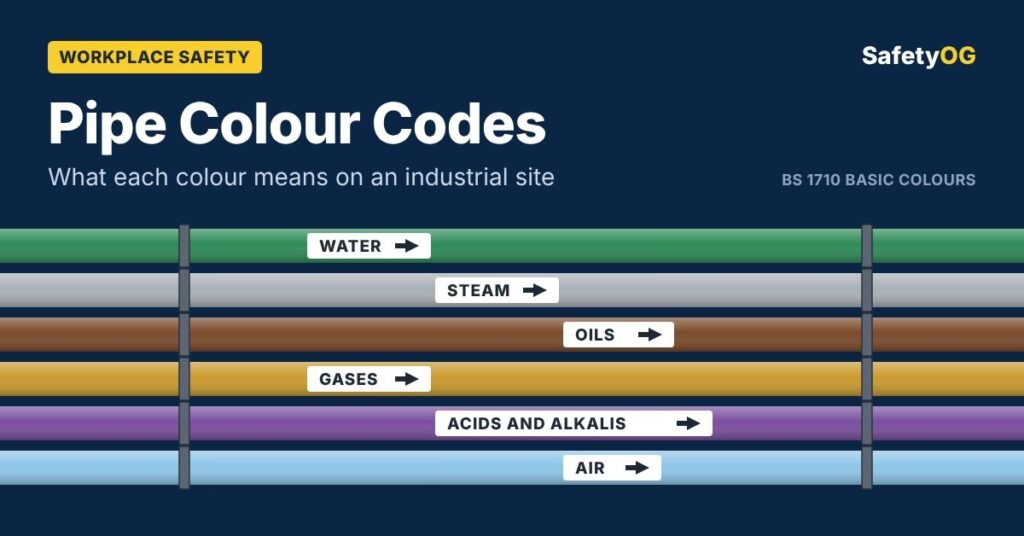
What pipe colour codes mean, where schemes differ, and why colour is never enough.
Pipe Colour Codes: What Each Colour Means on an Industrial Site Read More »
How process safety differs from occupational safety, and why injury rates alone mislead.
Process Safety vs Occupational Safety in Oil and Gas Read More »
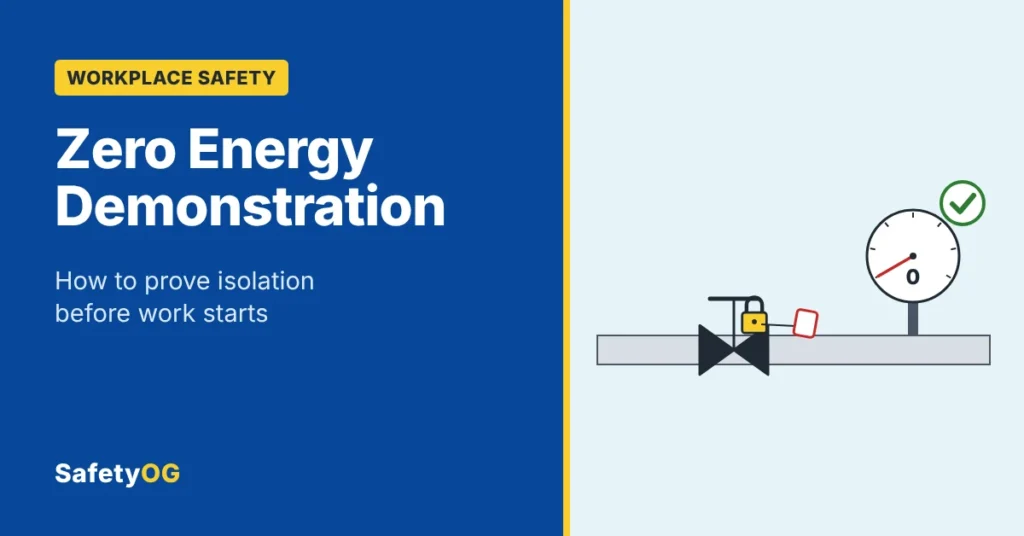
How to prove isolation before work starts, step by step.
Zero Energy Demonstration: How to Prove Isolation Before Work Starts Read More »
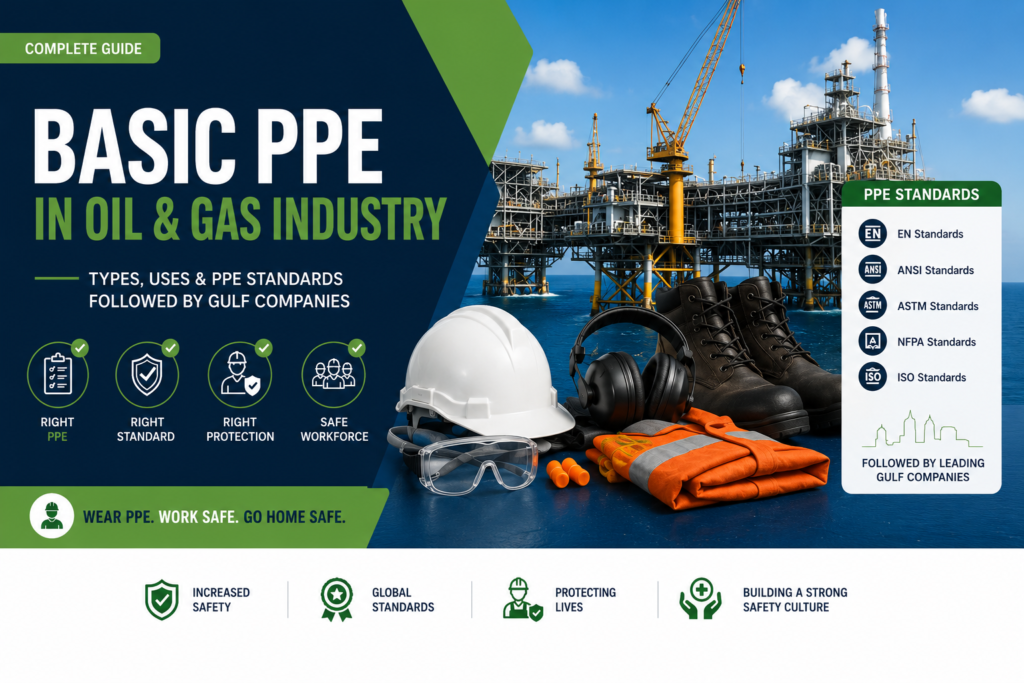
Basic PPE for Gulf oil and gas sites and what each item protects against.
PPE in the Oil and Gas Industry: Types, Uses, Standards Read More »
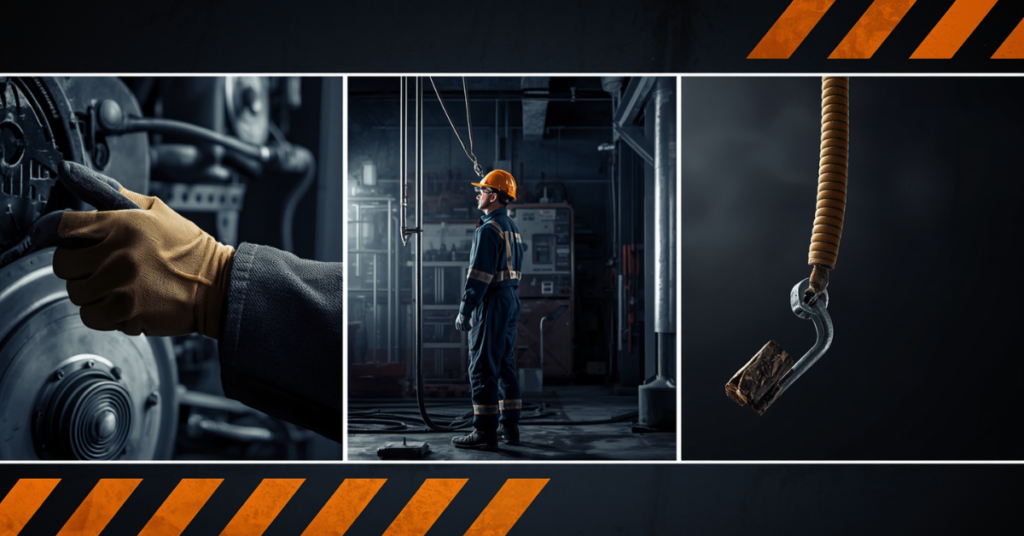
Three common causes of site injuries and the controls that prevent them.
Hand Safety, Line of Fire, and Dropped Objects: 3 High Risks in the Workplace Read More »
Seven steps to work safely through a Gulf summer.
Heat Stress Safety in the Gulf: 7 Essential Steps Every Oil and Gas Worker Must Follow Read More »
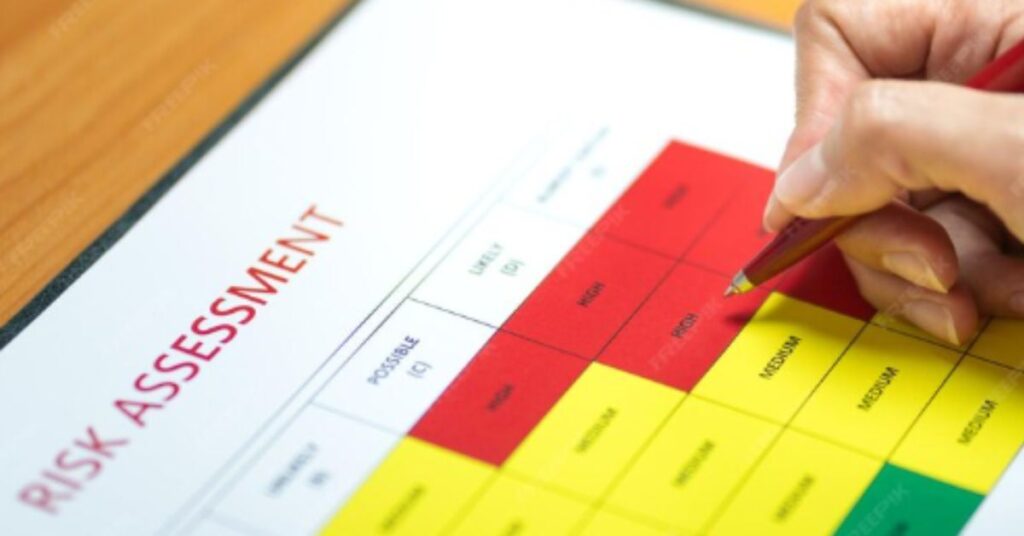
How to score likelihood against severity, then apply the five levels of control in the right order.
Risk Assessment and the 5-Step Hierarchy of Control Read More »

What a plant safety induction covers before you start work on site.
What H2S is, major incidents where workers were overcome, and the training needed before entering areas where it may be present.
How forklift operators and supervisors can reduce incidents, including the extra care needed in hazardous areas on oil and gas sites.
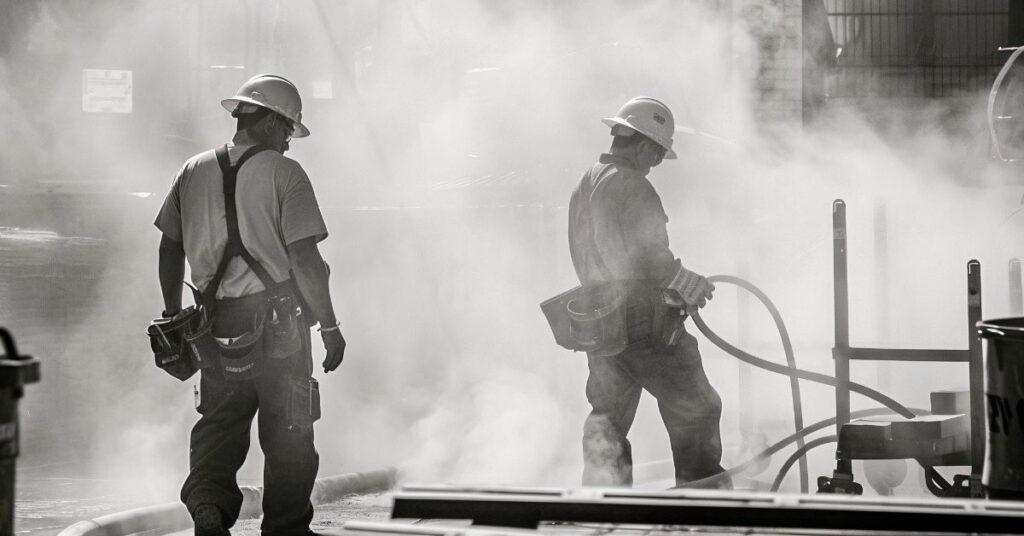
Why sandblasting is one of the highest-risk jobs on site, the main hazards, the controls and PPE, and mistakes seen in practice.